



Liver care you can trust.

Liver SOL
(Space Occupying Lesion)

Detect Early, Treat Right

Understanding Liver SOL

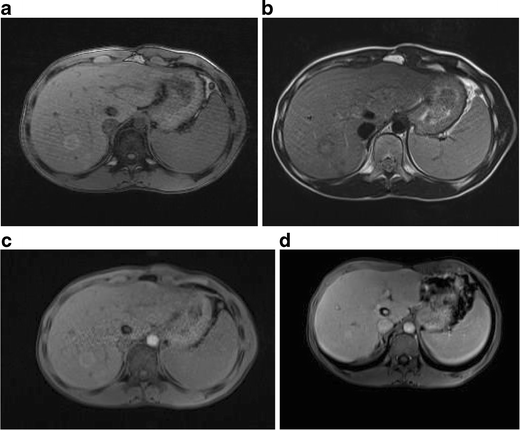
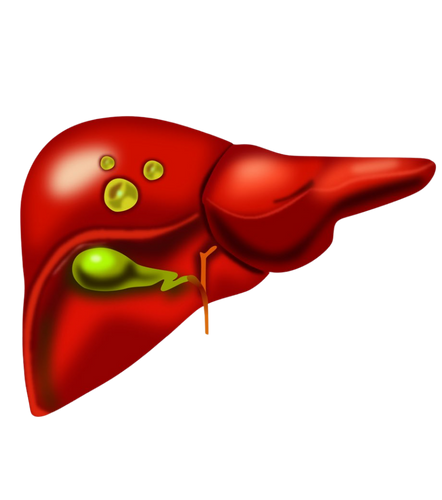
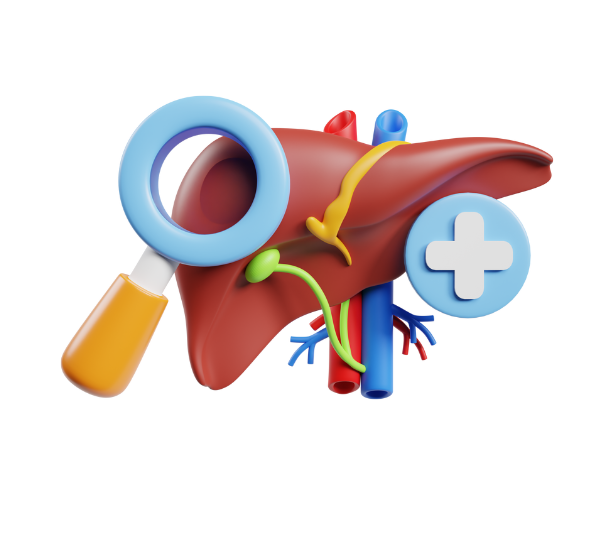
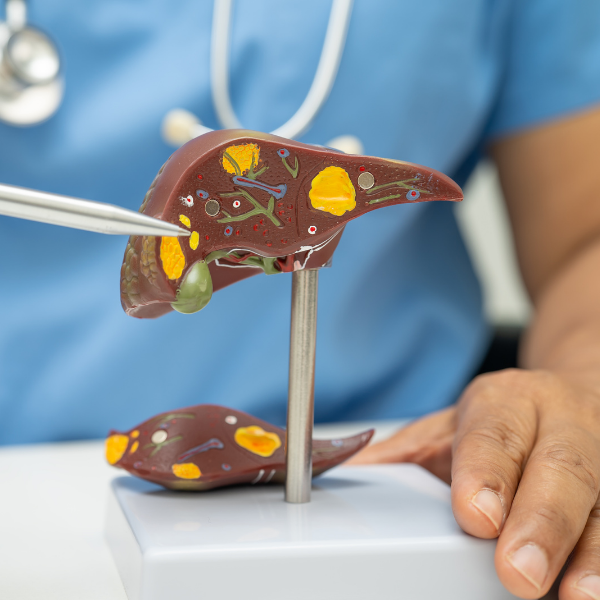
A liver SOL (Space Occupying Lesion) refers to any abnormal growth, mass, or lump found within the liver. These lesions can be benign (non-cancerous) such as cysts or hemangiomas, or malignant (cancerous) like liver cancer or metastatic tumors that spread from other organs. Detecting them early is crucial as treatment and outcomes differ widely based on the type of lesion.

Liver SOLs are a part of Hepatopancreaticobiliary (HPB) diseases, which include conditions of the liver, pancreas, and bile ducts. In simple words, a liver SOL means there’s “something extra” growing in the liver that should not be there. Some are harmless, while others may need urgent treatment.

  • Can be benign (harmless) or malignant (cancerous)
  • Needs timely diagnosis to decide the right treatment

When Should You Seek A Specialist

Symptoms Of Liver SOL

Persistent Abdominal
pain

Constant or recurring pain in the right upper abdomen may signal an abnormal growth in the liver.

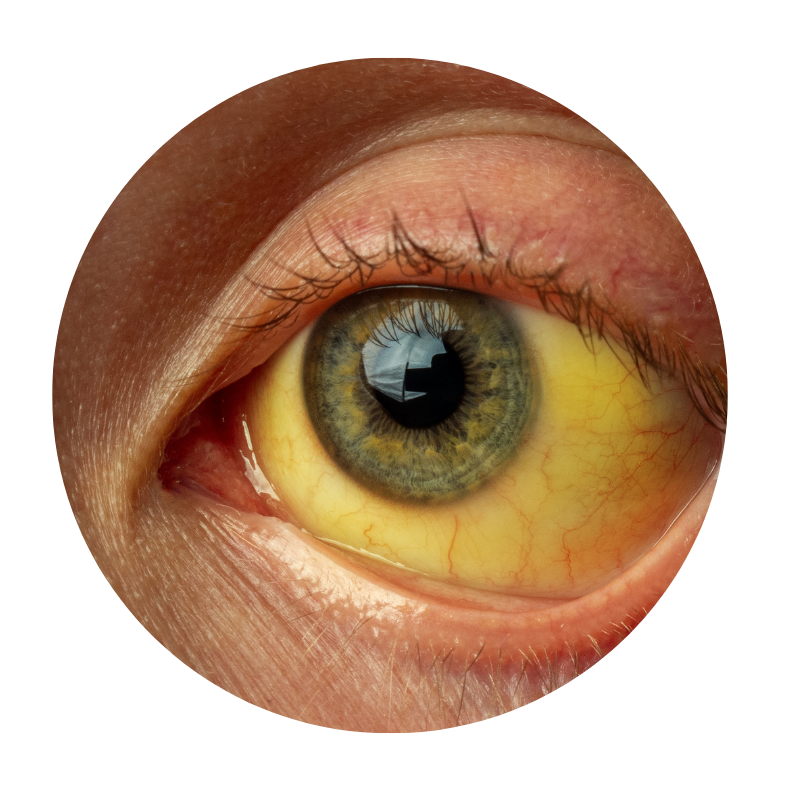
Yellowing of eyes or skin (jaundice)

A liver lesion may block bile ducts, leading to yellow discoloration and itching.

Unexplained Weight
loss

Sudden, unintentional weight loss can sometimes point to a serious liver condition.

Loss of appetite or difficulty eating

Difficulty eating or feeling full quickly may be related to an enlarging liver growth.


History of Liver
disease

Patients with hepatitis, cirrhosis, or fatty liver are more prone to developing SOLs.

Incidental finding on
scans

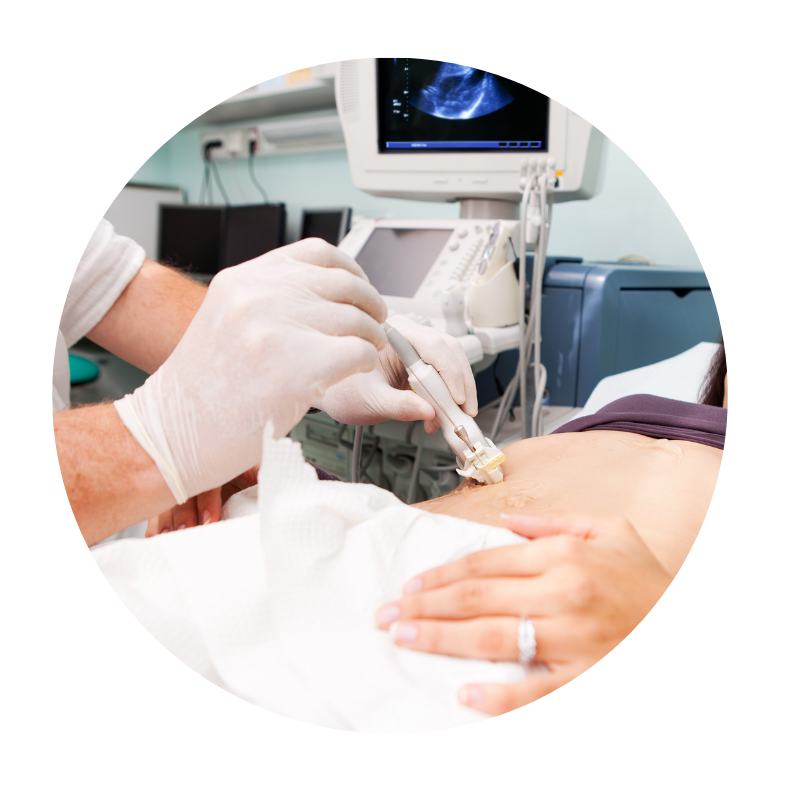
If an ultrasound, CT, or MRI shows a liver lesion, further evaluation is necessary.

Common Causes of Liver SOL (Space Occupying Lesion)

Liver SOLs can arise due to many conditions, ranging from harmless cysts to cancers. Here are some of the main causes:

Benign liver cysts and hemangiomas

These are common, harmless growths in the liver often discovered during routine scans. They rarely cause symptoms and usually don’t require treatment unless they grow large or cause discomfort.
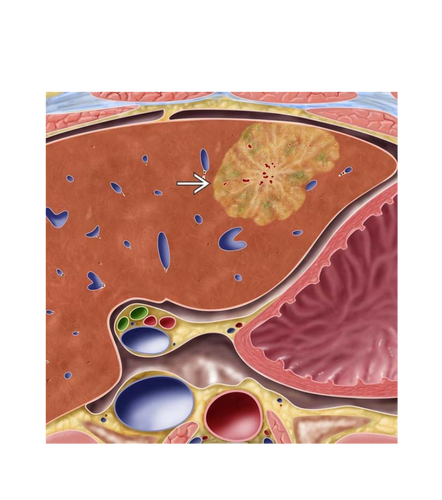
Focal nodular hyperplasia (FNH)

A non-cancerous growth usually seen in young women, often linked with hormone use. It usually doesn’t require treatment but must be differentiated from malignant lesions.
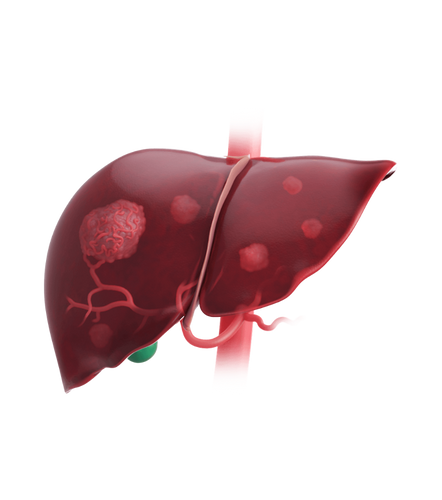
Hepatocellular carcinoma (HCC)

This is the most common type of primary liver cancer, usually seen in people with cirrhosis or chronic hepatitis. It often requires surgery, transplantation, or advanced therapies.
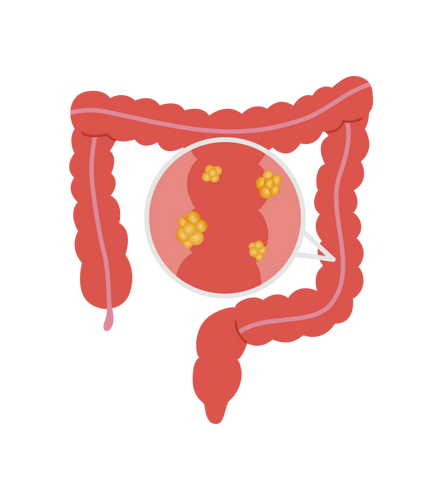
Metastatic tumors

Cancers from other parts of the body (like the colon, breast, or lungs) can spread to the liver, appearing as SOLs. These are often multiple and need systemic treatment.
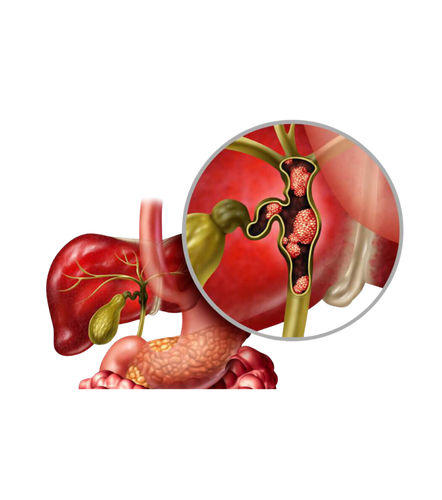
Cholangiocarcinoma

A cancer that begins in the bile ducts inside the liver, sometimes appearing as a space-occupying lesion. It often causes jaundice and requires complex treatment.

How We Diagnose?

Personalized treatments backed by expertise.

Treatment Options

Minimally Invasive Procedures

For selected cases, non-surgical options such as radiofrequency ablation, transarterial chemoembolization (TACE), or targeted therapies may be recommended, especially for patients unfit for major surgery.

Medical Monitoring and Support

Some benign lesions do not require surgery and can be managed through regular imaging scans, lifestyle changes, and medications to control symptoms or associated conditions.

Liver Transplantation

For patients with multiple, large, or unresectable malignant lesions and poor liver function, liver transplantation may be considered as a life-saving option.

Surgical Treatments

Right Hepatectomy– Removes the right portion of the liver if the lesion is confined there.
Left Hepatectomy – Removes the left lobe of the liver when the lesion is localized in that region.
Extended Hepatectomy – A more extensive resection when the lesion involves larger areas of the liver.
Non-Anatomical Resections – Only the diseased tissue is removed, preserving as much healthy liver as possible.

Why Trust Us for Liver SOL Treatment?

Combined expertise of two leading liver surgeons

Dr. Vikas Patel has been part of more than 600 liver transplants, while Dr. Dharmendra Dangi has been part of over 500 liver transplants and performed 500+ complex liver and HPB surgeries. Together, they bring unmatched skill to even the toughest cases.

Experience with high-risk and pediatric cases

From critically ill adults to children needing delicate surgery, our team has successfully managed some of the most challenging and rare liver conditions. Both doctors are trained to manage challenging cases, including liver failure in children, elderly patients, and blood group mismatches.

Proven results using advanced techniques

We use the latest surgical and medical methods including minimally invasive procedures to ensure safer operations, faster recovery, and long-term success. Dr. Dangi is one of the few surgeons in India performing midline donor hepatectomy, a safer way to remove part of the liver from a living donor. 

Nationally recognized for excellence

Our surgeons are trusted across India for their leadership in liver surgery. Their work has been featured in medical journals, presented at national conferences, and acknowledged in health magazines such as Silicon India (Top 10 Liver Transplant Surgeons, 2025).

OUR APPROACH

Accurate Diagnosis

using advanced imaging and testing

Untitled design (18)

Personalized Treatment Plans

based on your stage and condition
Complete Pre & Post Transplant Support

when surgery is needed

Untitled design (43)

A Multidisciplinary Team

Both surgeons jointly plan and perform procedures to ensure the best outcomes.
FAQ

Common Questions We Hear From Patients

Your concerns are valid. Here are expert answers to help you make confident decisions about your liver health.

If malignant, yes. Some cancers can spread (metastasize) to other organs.

This depends on the type of lesion. Your doctor may recommend scans every 3–6 months.

Fatty liver itself doesn’t, but it increases the risk of cirrhosis and liver cancer, which may appear as SOLs.

Not always. Many lesions can be diagnosed with imaging and blood tests alone.

Yes, though it is rare. Pediatric cases are evaluated carefully by specialists.

No. Many SOLs are benign and harmless, but proper testing is needed to confirm this.

This depends on the type and stage. Benign lesions usually need no treatment, and early cancers have high cure rates with surgery.


Take the First step to a Healthier Liver Stronger Liver

Early diagnosis saves lives

A liver SOL can mean many things, from a harmless cyst to a serious cancer. The only way to know is through timely evaluation. Early diagnosis not only brings peace of mind but also ensures treatment options are more effective and less invasive.

Talk to Ahmedabad’s Trusted Liver Experts

At our liver transplant and HPB surgery care center, you are cared for by Dr. Vikas Patel and Dr. Dharmendra Dangi, two leading liver and HPB surgeons in India. With unmatched expertise in both simple and complex cases, they work together to bring you the best chance at recovery.

Scroll to Top