
UNDERSTANDING
Right Hepatectomy
What is right Hepatectomy
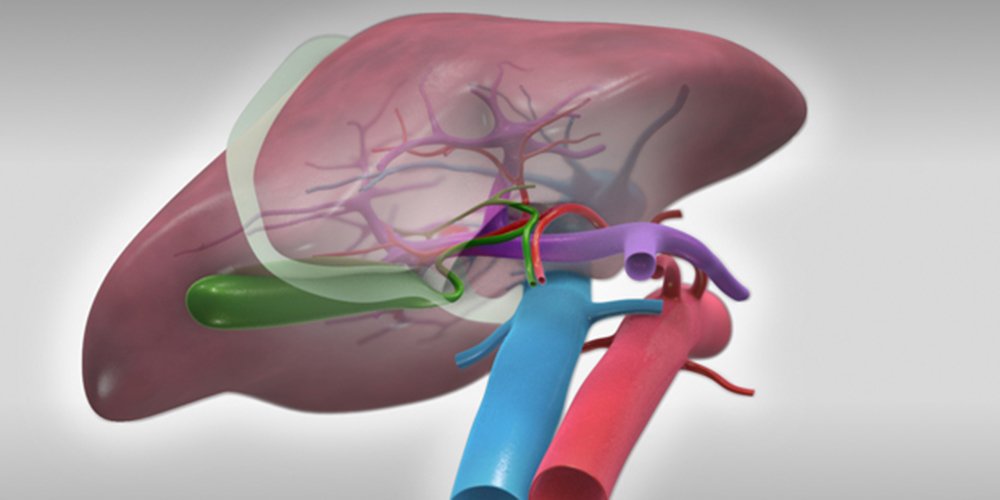
Right hepatectomy is a surgical procedure in which the right portion (right lobe) of the liver is removed. This surgery is often performed to treat liver tumors, large cysts, trauma-related damage, or other conditions affecting the right side of the liver. Since the liver has a remarkable ability to regenerate, patients can recover well when surgery is done at the right time and under expert guidance.
When is it needed?
- Liver Tumors- Both cancerous (hepatocellular carcinoma, metastatic tumors) and non-cancerous growths confined to the right lobe.
- Trauma- Severe injury or bleeding involving the right lobe of the liver.
- Biliary Conditions- Complex biliary strictures, cholangiocarcinoma, or hilar tumors requiring removal of the right lobe.
- Parasitic or Infectious Cysts- Large hydatid or abscess formations that cannot be managed with simple drainage.
- Liver Donation- In selected cases of living donor liver transplantation, a right hepatectomy may be performed to remove the right lobe for transplantation.
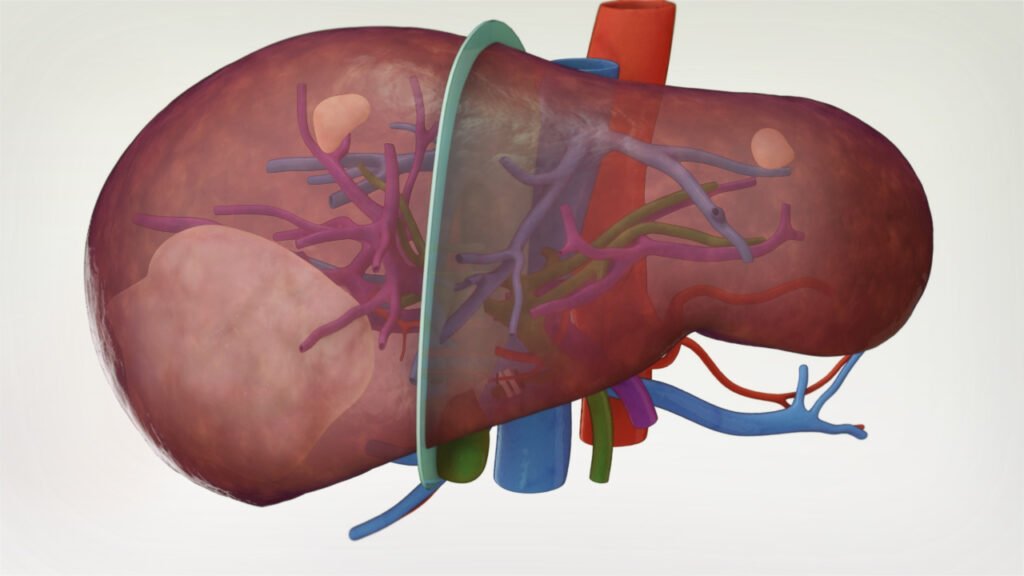
Process of Right hepatectomy
Detailed scans (CT, MRI, MRCP) and blood tests ensure the left lobe is healthy enough to take over after surgery. Sometimes, portal vein embolization is done to strengthen the remaining lobe.
Under general anesthesia, the surgeon removes the right lobe of the liver while preserving blood vessels and bile ducts. The operation usually lasts 4–6 hours.
Patients are monitored in ICU initially, with pain management, infection prevention, and liver function support.
Most patients spend 7–10 days in hospital. The liver gradually regenerates, and patients can resume normal activities in 4–6 weeks.
Regular check-ups and imaging ensure the liver is functioning well and disease has been controlled.
WHAT ARE
BENEFITS OF Right hepatectomy
Right hepatectomy can help treat a variety of HPB diseases. Below are some of the key benefits explained in simple terms.
Disease removal at the source
Right hepatectomy allows surgeons to remove diseased or cancerous tissue completely from the right side of the liver, targeting the root cause of the problem.
Improves Long- Term Survial
For patients with liver cancer or large tumors, this surgery increases long-term survival by offering a chance to fully remove the disease.
Liver regeneration
The liver is the only organ that can regrow. After surgery, the remaining left lobe grows larger and takes over the liver’s vital functions.
Better quality of life
By removing diseased tissue, patients often experience relief from pain, jaundice, and digestive issues, helping them return to a healthier daily routine.
Curative intent
Unlike treatments that only control symptoms, right hepatectomy is often performed with the goal of curing the condition entirely.
Reduced risk of complications
By removing the affected part of the liver, the surgery lowers the chances of infections, bleeding, or obstruction that could occur if the diseased tissue were left untreated.
Why Trust Us for Right hepatectomy
Combined expertise of two leading liver surgeons
Dr. Vikas Patel has been part of more than 600 liver transplants, while Dr. Dharmendra Dangi has been part of over 500 liver transplants and performed 500+ complex liver and HPB surgeries. Together, they bring unmatched skill to even the toughest cases.
Experience with high-risk and pediatric cases
From critically ill adults to children needing delicate surgery, our team has successfully managed some of the most challenging and rare liver conditions. Both doctors are trained to manage challenging cases, including liver failure in children, elderly patients, and blood group mismatches.
Proven results using advanced techniques
We use the latest surgical and medical methods including minimally invasive procedures to ensure safer operations, faster recovery, and long-term success. Dr. Dangi is one of the few surgeons in India performing midline donor hepatectomy, a safer way to remove part of the liver from a living donor.
Nationally recognized for excellence
Our surgeons are trusted across India for their leadership in liver surgery. Their work has been featured in medical journals, presented at national conferences, and acknowledged in health magazines such as Silicon India (Top 10 Liver Transplant Surgeons, 2025).
FAQ
Common Questions We Hear From Patients
Your concerns are valid. Here are expert answers to help you make confident decisions about your liver health.
Yes. The liver has a unique ability to regenerate. If the remaining portion is healthy, it usually regrows enough to carry out all essential functions within weeks.
Not usually. If the disease is confined to the right lobe and your left lobe is healthy, right hepatectomy is often curative. A transplant may be considered if the disease is more widespread or if there is underlying severe liver disease like cirrhosis.
Patients are advised to eat a healthy diet, avoid alcohol, maintain hygiene, and take medications as prescribed. Long-term, most people return to normal life without restrictions.
Pain is expected after major surgery, but it is well managed with modern pain-relief methods, both during and after the hospital stay.
The difference lies in which part of the liver is removed. Right hepatectomy removes the larger right lobe, which often requires more planning but also has excellent outcomes in the right patients.
As with any major surgery, risks include bleeding, infection, bile leakage, and temporary liver dysfunction. However, at our liver transplant and Hpb surgery care center with experienced surgeons, the success rates are very high.
Take the First step to a Healthier Liver Stronger Liver
Expert Hands for Complex Liver Surgery
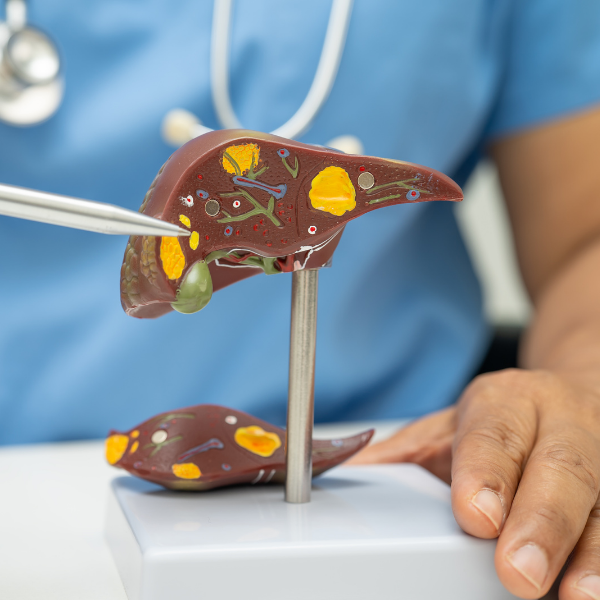
A right hepatectomy is one of the most advanced liver surgeries, requiring not only skill but also careful patient selection and planning. At our center, we combine years of surgical expertise with advanced technology to ensure the best possible outcomes.
Talk to Ahmedabad’s Trusted Liver Experts
Our specialists, Dr. Vikas Patel and Dr. Dharmendra Dangi, have extensive experience in liver resections and complex HPB surgeries. Their combined expertise offers patients the highest standards of safety, precision, and compassionate care.