
Gallstones
Safe and Trusted Care for Your Gallbladder
Understanding Gallstones
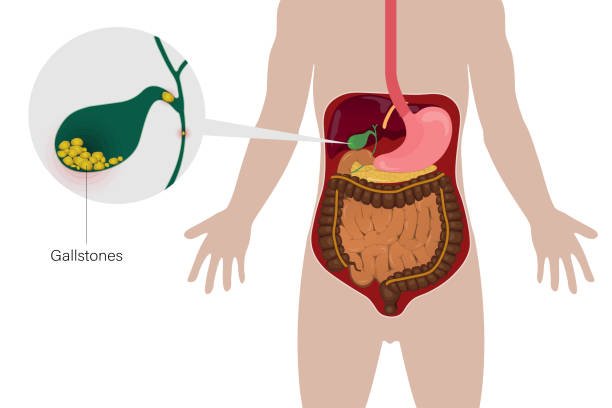
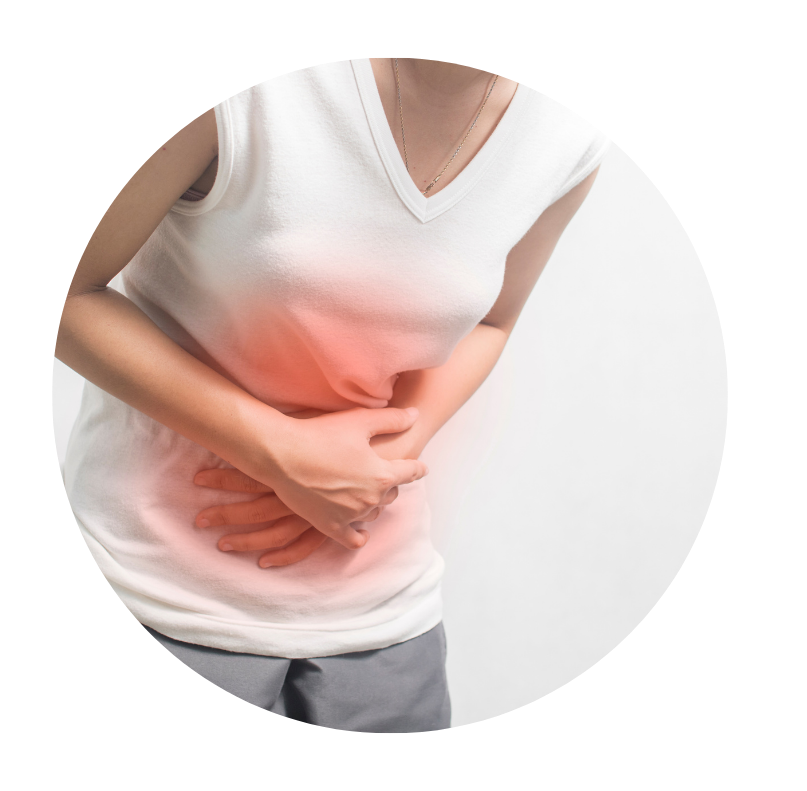
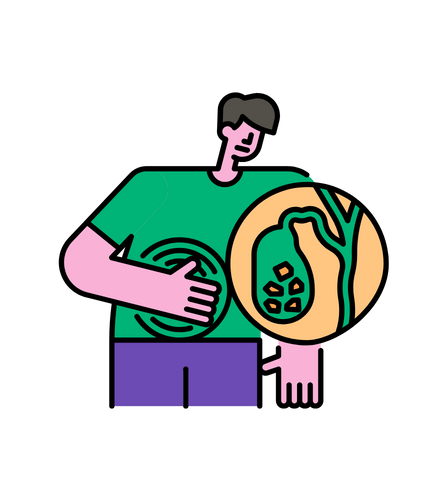
Gallstones are solid deposits that form in the gallbladder, a small organ located beneath the liver. They are usually made of cholesterol, bile salts, or waste products and can vary in size- from tiny grains like sand to larger stones. Many people may not feel any symptoms until these stones block the normal flow of bile, leading to pain, nausea, or serious complications such as infection.
In simple words, gallstones are small, hard clumps that can cause sudden abdominal pain and discomfort when they interfere with digestion.
- Small stones can remain silent for years without symptoms.
- Larger stones or multiple stones often require medical treatment or surgery.
When Should You Seek A Specialist
Symptoms Of Gallstones
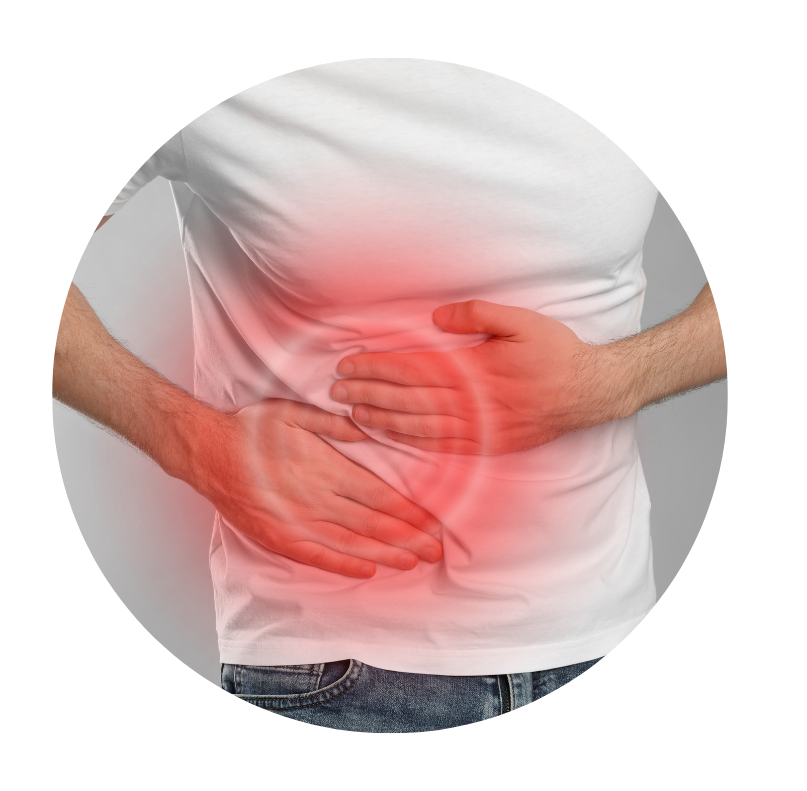
Severe Abdominal
pain
Sudden, sharp pain in the upper right abdomen that can last from minutes to hours.
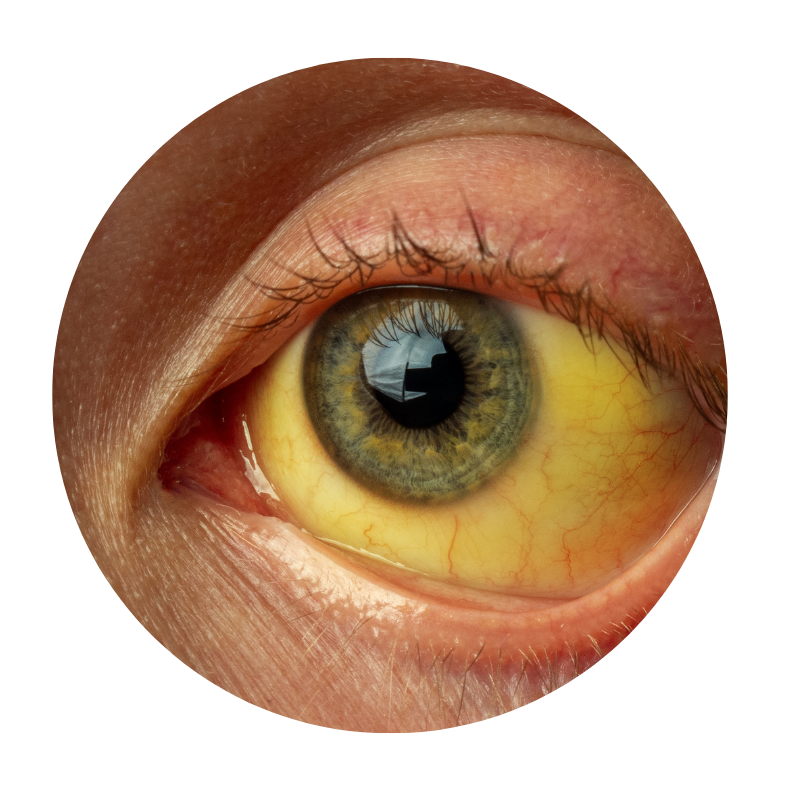
Yellowing of eyes or skin (jaundice)
Yellowing of eyes or skin may occur if a stone blocks the bile duct.
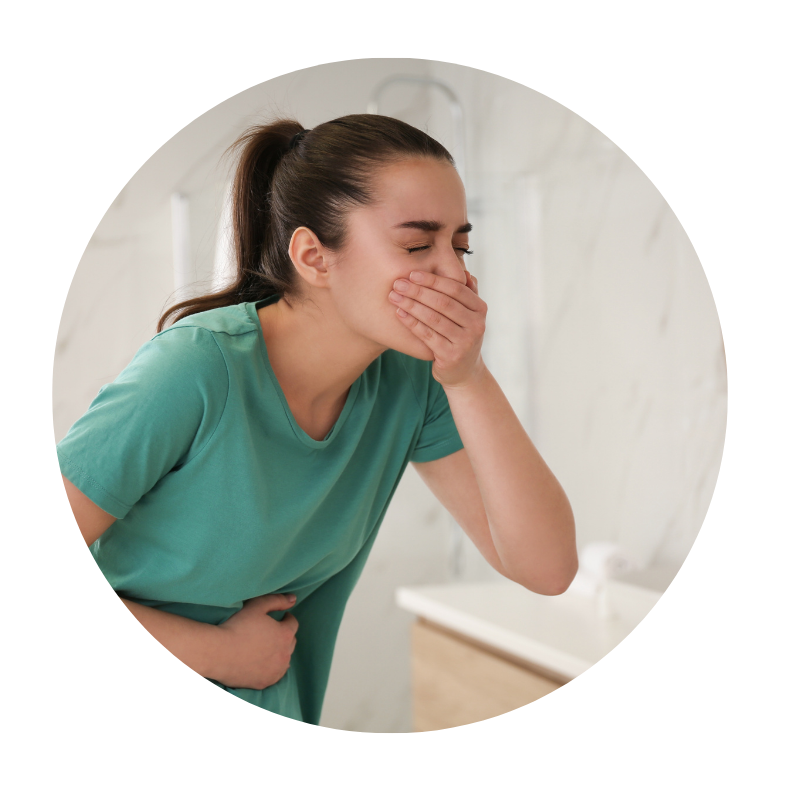
Nausea and
Vomiting
Persistent digestive discomfort that doesn’t improve with home remedies.
Pain after eating fatty
food
Gallstones often cause pain after consuming oily or heavy meals.
Fever or
chills
Fever or Chills Could signal infection of the gallbladder or bile ducts.
Bloating and
Indigestion
Frequent feelings of fullness, bloating, or gas after meals.
Common Causes of Gallstones
Gallstones form due to an imbalance in the substances that make up bile. Here are the main causes:

Excess cholestrol in bile
When bile contains too much cholesterol, it can crystallize and form stones over time.
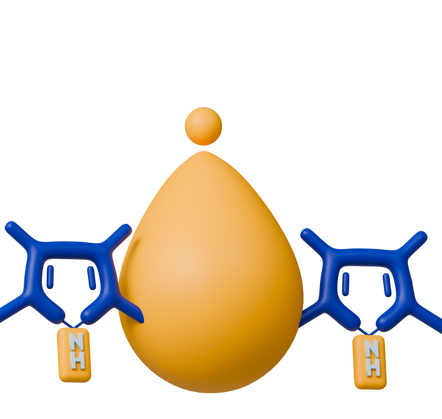
Excess Bilirubin
Certain conditions, like liver disease or blood disorders, produce high bilirubin levels, increasing the risk of stones.
Poor Gallbladder Emptying
If the gallbladder doesn’t empty completely, bile can become concentrated and lead to stone formation

Unhealthy diet and lifestyle
High-fat, high-sugar diets and obesity significantly raise the likelihood of gallstones.
Genetic and hormonal factors
A family history of gallstones or hormonal changes (like pregnancy or hormone therapy) can make gallstones more likely.

How We Diagnose?
A simple and accurate imaging test that helps detect stones in the gallbladder.
Blood tests are used to check for signs of infection, jaundice, or bile duct obstruction.
Advanced imaging to identify stones that may be missed by ultrasound.
A minimally invasive test that provides detailed images of small stones and bile ducts.
Personalized treatments backed by expertise.
Treatment Options
Medications
In select cases, medicines can dissolve small gallstones, but they are not effective for everyone.
Open Surgery
Recommended in complex cases where laparoscopic surgery may not be suitable.
Endoscopic Procedures
To remove stones from the bile duct if they migrate outside the gallbladder.
Minimally Invasive Surgery (Laparoscopic Cholecystectomy)
The most common and effective treatment; the gallbladder is removed through small cuts in the abdomen.
Why Trust Us for Gallstones Treatment?
Combined expertise of two leading liver surgeons
Dr. Vikas Patel has been part of more than 600 liver transplants, while Dr. Dharmendra Dangi has been part of over 500 liver transplants and performed 500+ complex liver and HPB surgeries. Together, they bring unmatched skill to even the toughest cases.
Experience with high-risk and pediatric cases
From critically ill adults to children needing delicate surgery, our team has successfully managed some of the most challenging and rare liver conditions. Both doctors are trained to manage challenging cases, including liver failure in children, elderly patients, and blood group mismatches.
Proven results using advanced techniques
We use the latest surgical and medical methods including minimally invasive procedures to ensure safer operations, faster recovery, and long-term success. Dr. Dangi is one of the few surgeons in India performing midline donor hepatectomy, a safer way to remove part of the liver from a living donor.
Nationally recognized for excellence
Our surgeons are trusted across India for their leadership in liver surgery. Their work has been featured in medical journals, presented at national conferences, and acknowledged in health magazines such as Silicon India (Top 10 Liver Transplant Surgeons, 2025).
OUR APPROACH

Accurate Diagnosis
using advanced imaging and testing
Personalized Treatment Plans
based on your stage and condition
Complete Pre & Post Transplant Support
when surgery is needed
A Multidisciplinary Team
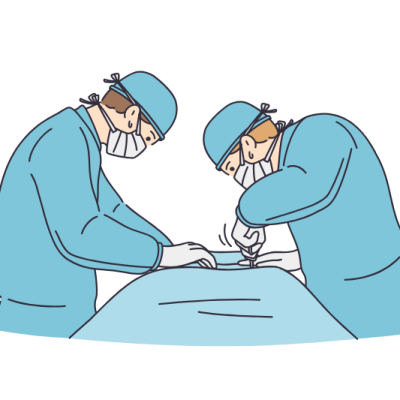
Both surgeons jointly plan and perform procedures to ensure the best outcomes.
FAQ
Common Questions We Hear From Patients
Your concerns are valid. Here are expert answers to help you make confident decisions about your liver health.
No, gallstones do not dissolve or disappear naturally. Once formed, they typically remain unless removed through treatment.
Not always. Some people may have “silent” gallstones without symptoms, while others may experience severe pain when stones block bile flow.
Laparoscopic cholecystectomy is a very safe and commonly performed surgery with quick recovery and minimal complications.
Not always. Many lesions can be diagnosed with imaging and blood tests alone.
It’s best to avoid fatty, fried, and oily foods as they can trigger pain and discomfort.
Yes. If stones block bile ducts, they can lead to jaundice or liver inflammation.
Yes, gallstones are very common, especially in women, older adults, and people who are overweight.
Take the First step to a Healthier Liver Stronger Liver

Expert Care for Gallbladder Health
Gallstones can disrupt daily life and cause painful episodes that worsen over time. With timely diagnosis and the right treatment, these problems can be solved permanently.
Talk to Ahmedabad’s Trusted Liver Experts
At our liver transplant and HPB surgery care center, Dr. Vikas Patel and Dr. Dharmendra Dangi bring extensive experience in gallstone and gallbladder surgery. Their expertise ensures that every patient receives personalized care and the most advanced treatment available.
