


UNDERSTANDING

LIVER TRANSPLANT

What is Liver Transplant?

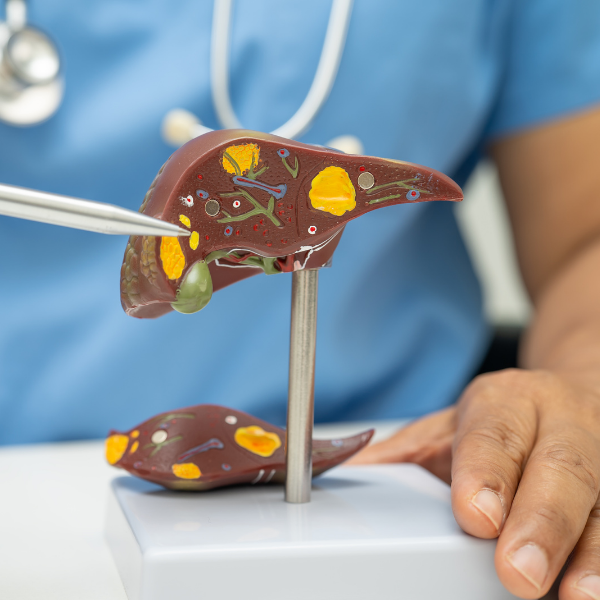
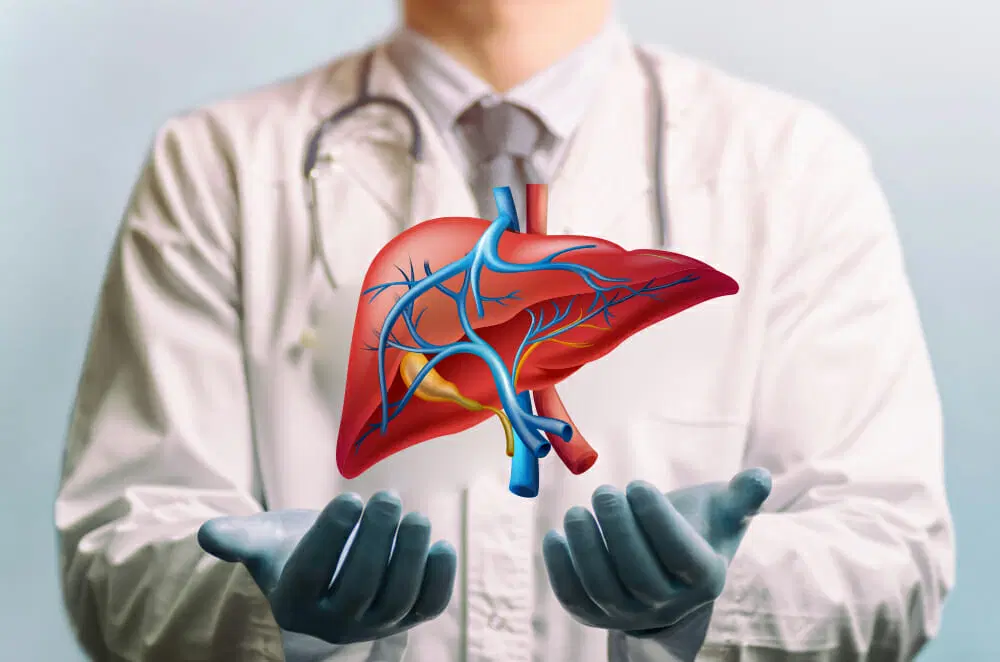
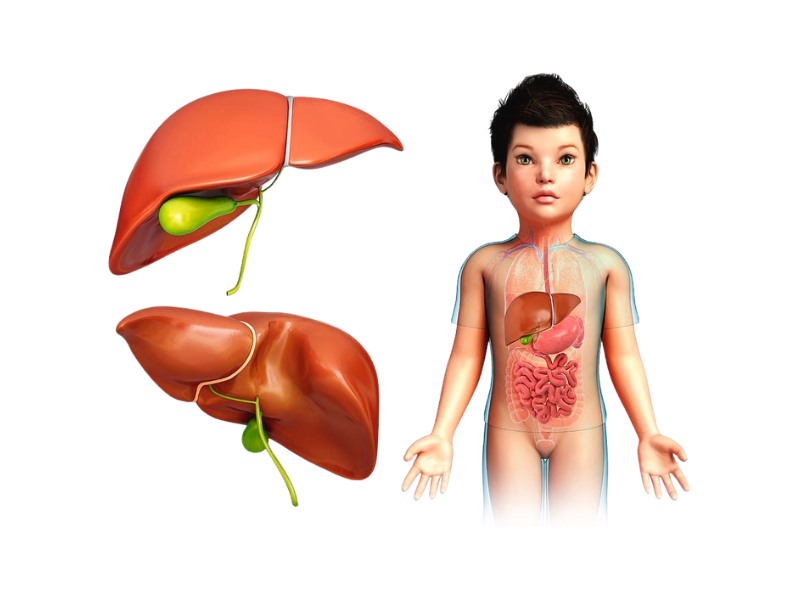
Liver transplant is a surgery where a diseased liver is replaced with a healthy one from a donor. It is usually recommended when the liver stops working properly due to conditions like cirrhosis, liver failure, or certain cancers. For many patients, it is the only option to live a healthier and longer life.

When to Consider a Transplant?

A patient may need evaluation for liver transplant if they have:

Indications for Liver Transplant

Chronic Liver Diseases (Cirrhosis)

Long-standing liver damage (cirrhosis) is the most common reason for liver transplantation. Causes include:
•Alcohol-related liver disease
•Hepatitis B & C (viral hepatitis)
•Non-alcoholic steatohepatitis (NASH) / Fatty liver disease
•Autoimmune hepatitis
•Primary biliary cholangitis (PBC)
•Primary sclerosing cholangitis (PSC)
•Genetic/metabolic disorders (Hemochromatosis, Wilson’s disease, Alpha-1 antitrypsin deficiency)

Liver Failure

When the liver suddenly or progressively stops functioning:

•Acute Liver Failure (e.g., viral hepatitis, drug-induced injury such as paracetamol overdose, toxins)

•Decompensated Chronic Liver Failure (ascites, jaundice, variceal bleeding, hepatic encephalopathy)

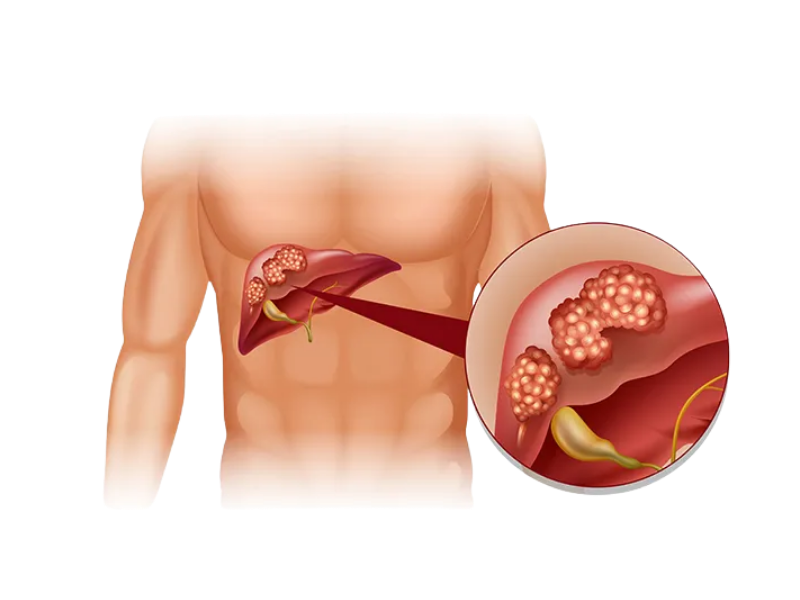
Liver Cancer (Hepatocellular Carcinoma – HCC)

  • Patients with liver cancer limited to the liver and not spreading outside, especially within Milan criteria (single tumor ≤5 cm or up to 3 tumors ≤3 cm each).
•Selected cases of cholangiocarcinoma or rare tumors when standard treatments are not possible.

Pediatric Indications

In children, liver transplant may be required for:

•Biliary atresia (most common pediatric indication)

•Metabolic liver diseases (e.g., Wilson’s disease, PFIC, Crigler–Najjar syndrome, urea cycle disorders)

•Congenital liver malformations

Other Special Indications

Re-transplantation (in case of graft failure or rejection)

•Vascular complications of the liver not amenable to surgery

•Intractable pruritus (severe itching) in cholestatic disorders when quality of life is extremely poor

END SECTION

Process of Liver Transplant

Types of Liver transplant

A Healthy Liver, A Healthier You

Deceased Donor Liver Transplant

In this procedure, a liver from a brain-dead donor is transplanted into the patient. It is often the option when a living donor is not available, but patients may need to wait due to organ availability.
ABO Incompatible Liver Transplant ( blood group mismatch)

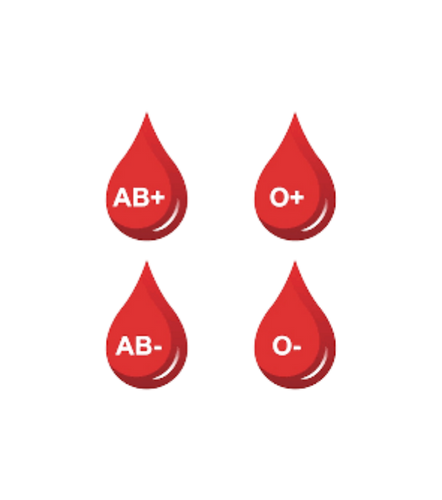
In special cases, a transplant is performed even if the donor’s blood group does not match the recipient’s. With modern techniques and medications, successful outcomes are possible.

Living Donor Liver Transplant

Here, a healthy person donates a part of their liver, which naturally regenerates over time. This reduces waiting time and ensures timely treatment for the patient.
Pediatric Liver Transplant

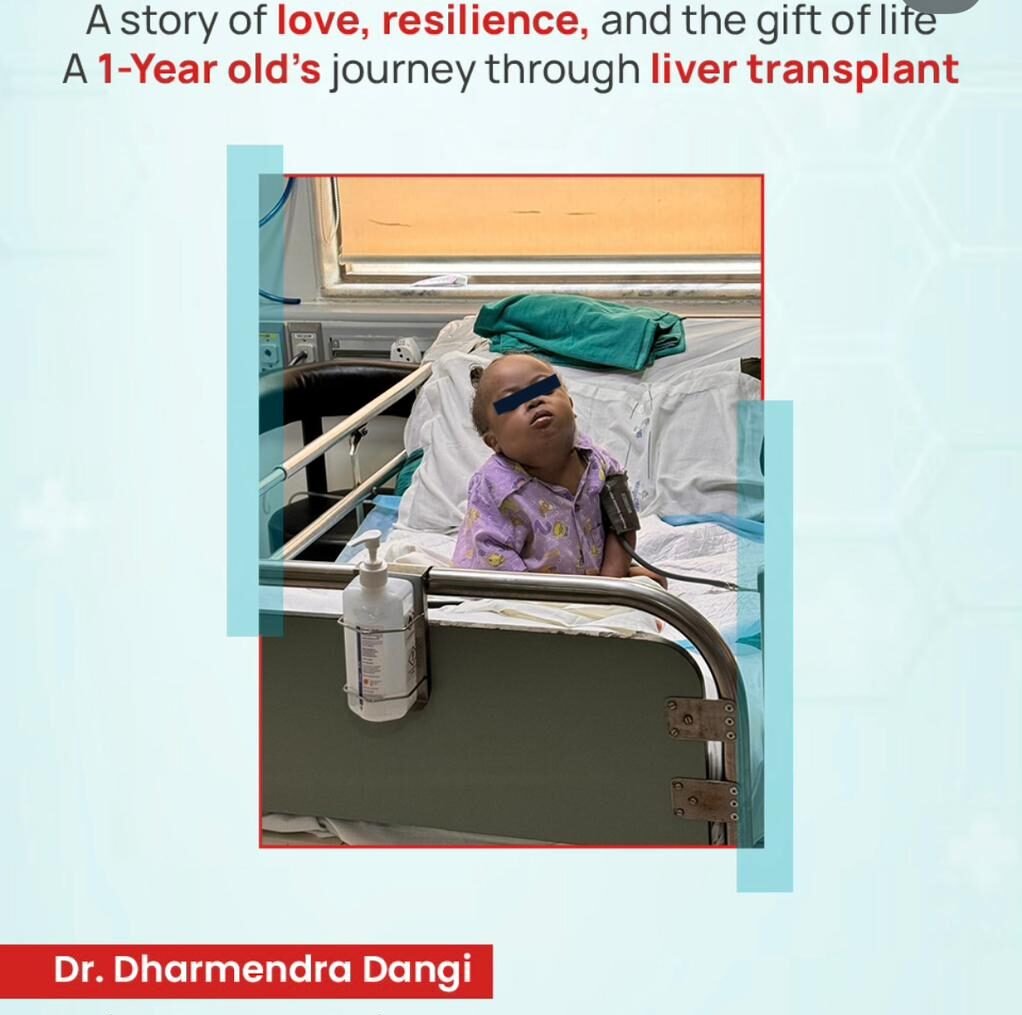
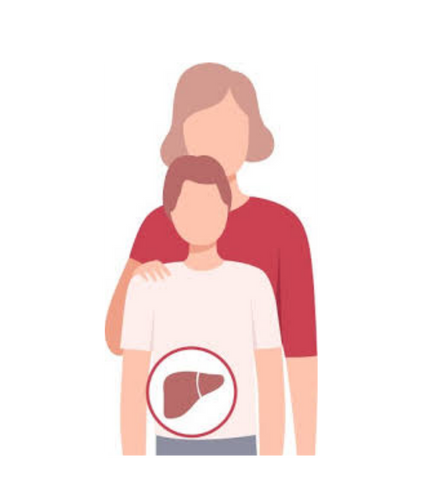
This life-saving surgery is performed for children with severe liver disease. Often, a parent or relative donates a part of their liver to help the child recover and grow healthy.

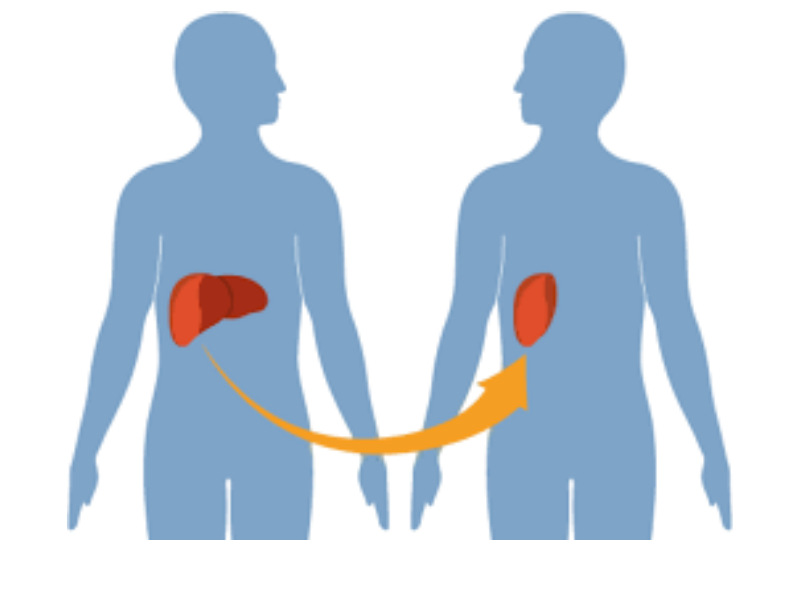
Swap Liver Transplant

When a donor and patient have incompatible blood groups, two families can “swap” donors. Each donor gives to the other patient, making both transplants possible.
WHAT ARE

BENEFITS OF LIVER TRANSPLANT

A liver transplant is more than just a surgery. It is a chance to restore health, strength, and a better quality of life. Below are some of the key benefits explained in simple terms

Restores Normal Liver Function

After a successful transplant, the new liver takes over the functions of filtering toxins, processing nutrients, and producing vital proteins, which helps the body regain balance and stability.

Improves Quality of
Life

Patients often experience relief from fatigue, confusion, and digestive issues, allowing them to return to everyday activities, work, and family life with greater comfort and energy.

Reduces risk of Life- Threatening Complications

A new liver can prevent severe complications such as internal bleeding, fluid buildup, and repeated infections, which are common in patients with advanced liver disease.

Offers a Longer, Healthier Life

For many patients, a liver transplant significantly increases life expectancy, giving them more years to spend with their loved ones and pursue personal and professional goals.

Provides Hope and Emotional Relief

The procedure not only heals the body but also brings emotional strength by reducing anxiety, uncertainty, and fear associated with chronic or end-stage liver disease.

Weak Immune System

Immunocompromised persons are more prone to abnormal cell growth.

Why Trust Us for Liver Transplant

Combined expertise of two leading liver surgeons

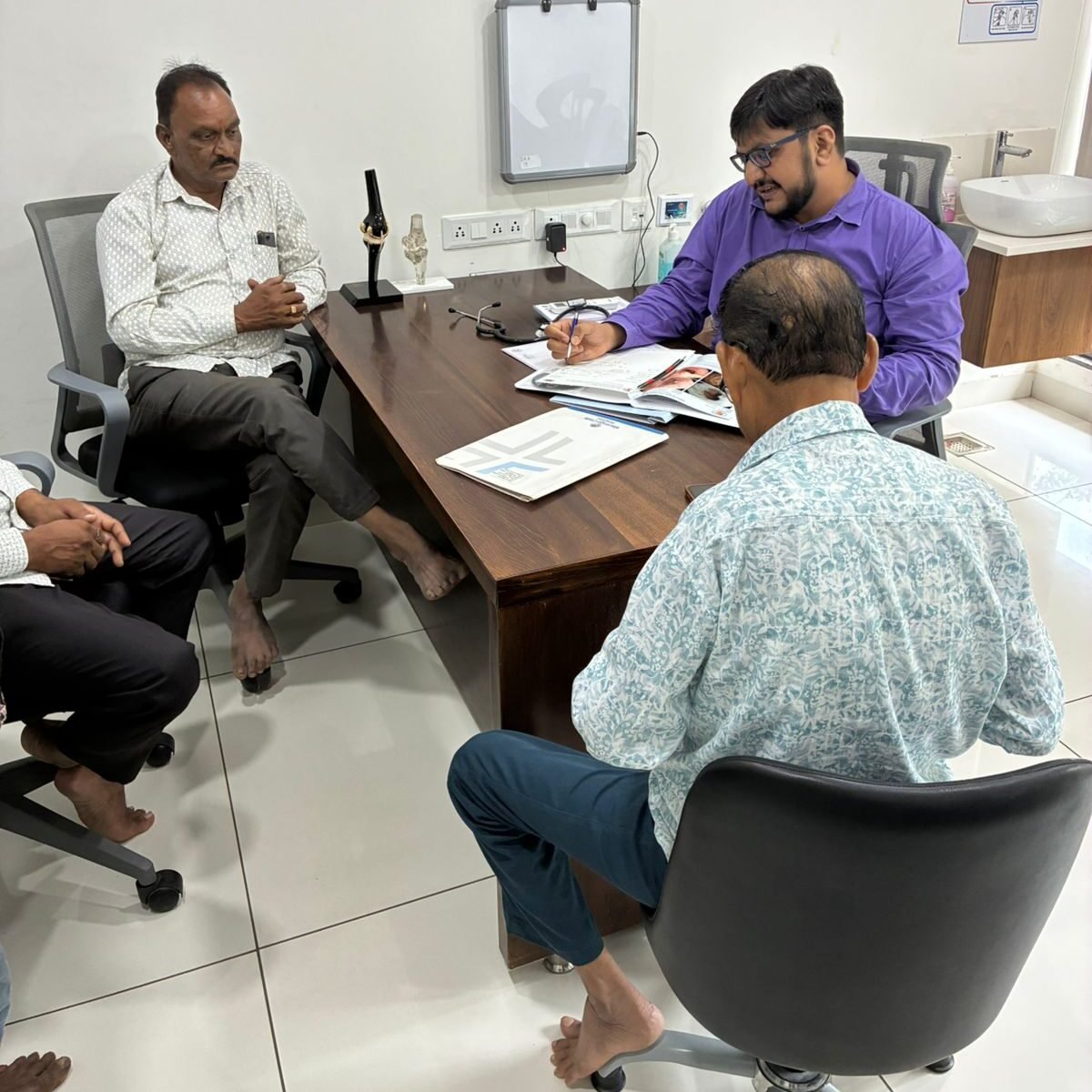
Dr. Vikas Patel has been part of more than 600 liver transplants, while Dr. Dharmendra Dangi has been part of over 500 liver transplants and performed 500+ complex liver and HPB surgeries. Together, they bring unmatched skill to even the toughest cases.

Experience with high-risk and pediatric cases

From critically ill adults to children needing delicate surgery, our team has successfully managed some of the most challenging and rare liver conditions. Both doctors are trained to manage challenging cases, including liver failure in children, elderly patients, and blood group mismatches.

Proven results using advanced techniques

We use the latest surgical and medical methods including minimally invasive procedures to ensure safer operations, faster recovery, and long-term success. Dr. Dangi is one of the few surgeons in India performing midline donor hepatectomy, a safer way to remove part of the liver from a living donor. 

Nationally recognized for excellence

Our surgeons are trusted across India for their leadership in liver surgery. Their work has been featured in medical journals, presented at national conferences, and acknowledged in health magazines such as Silicon India (Top 10 Liver Transplant Surgeons, 2025).

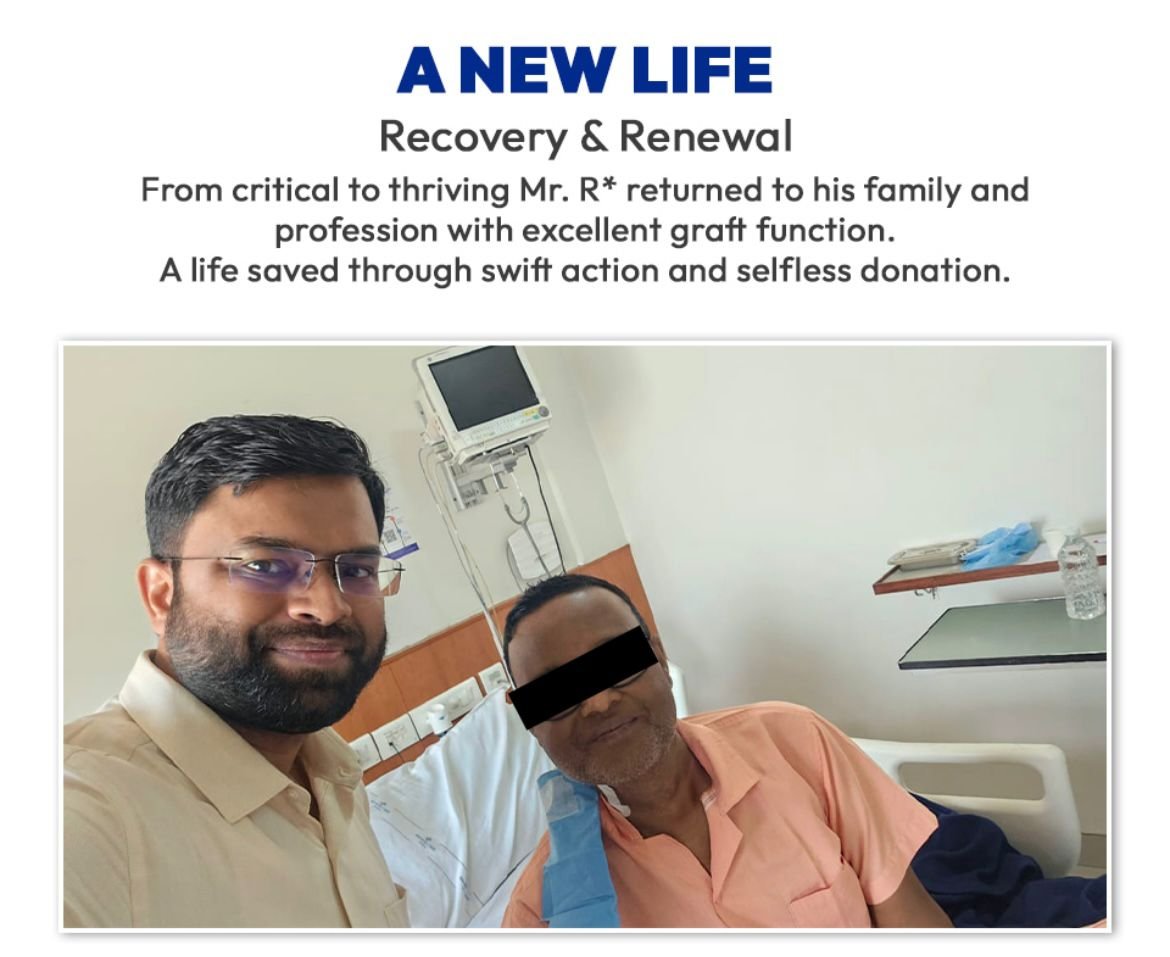
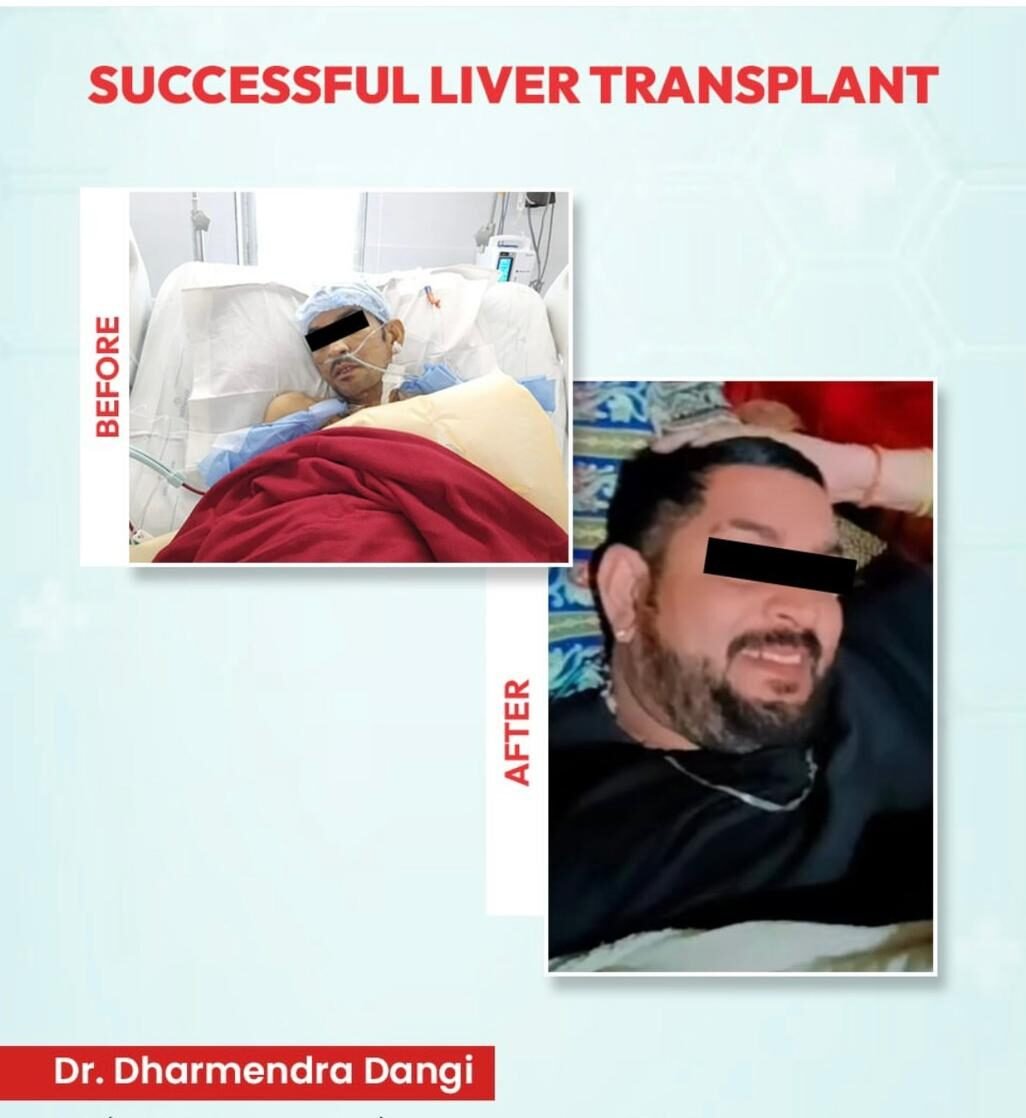
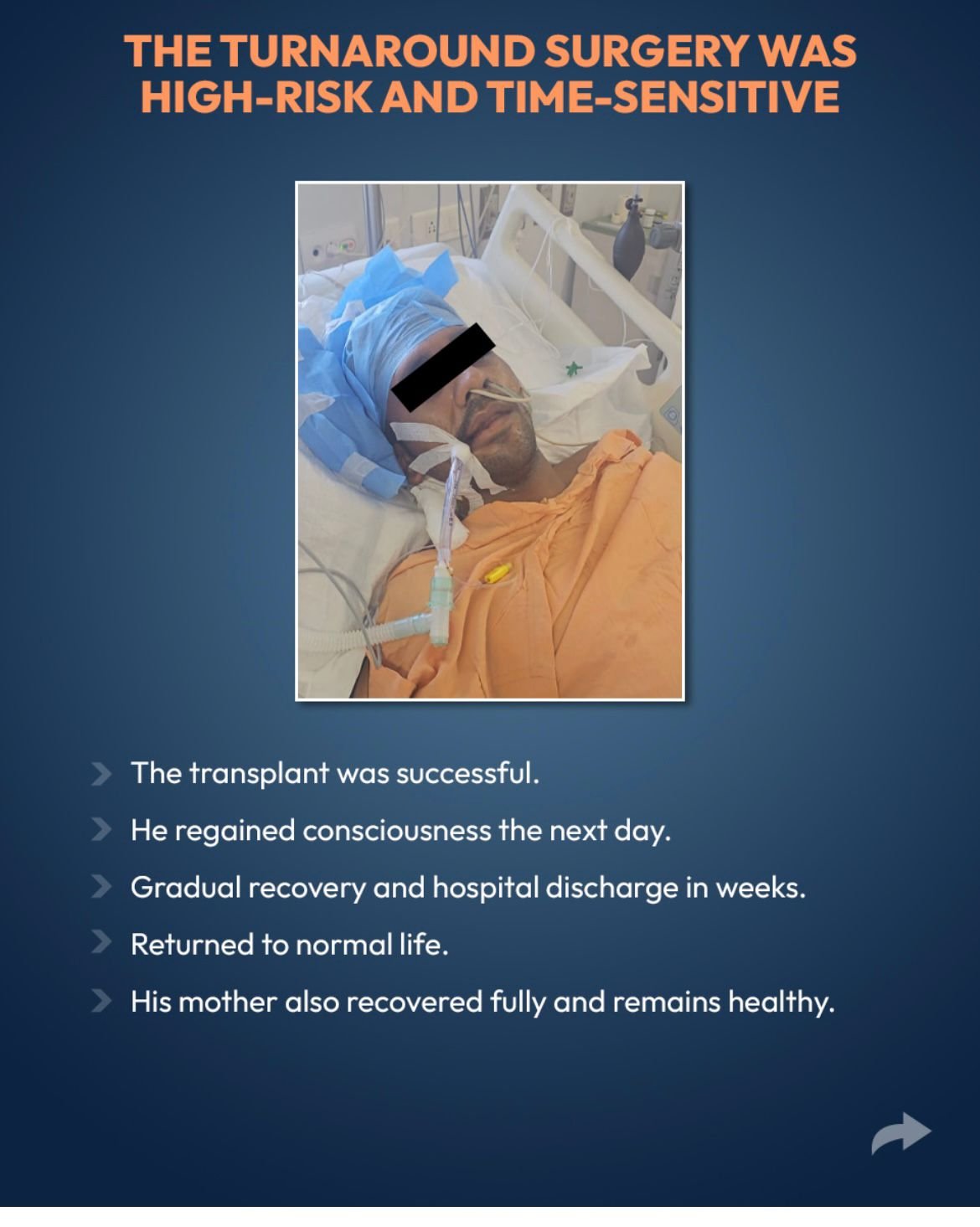
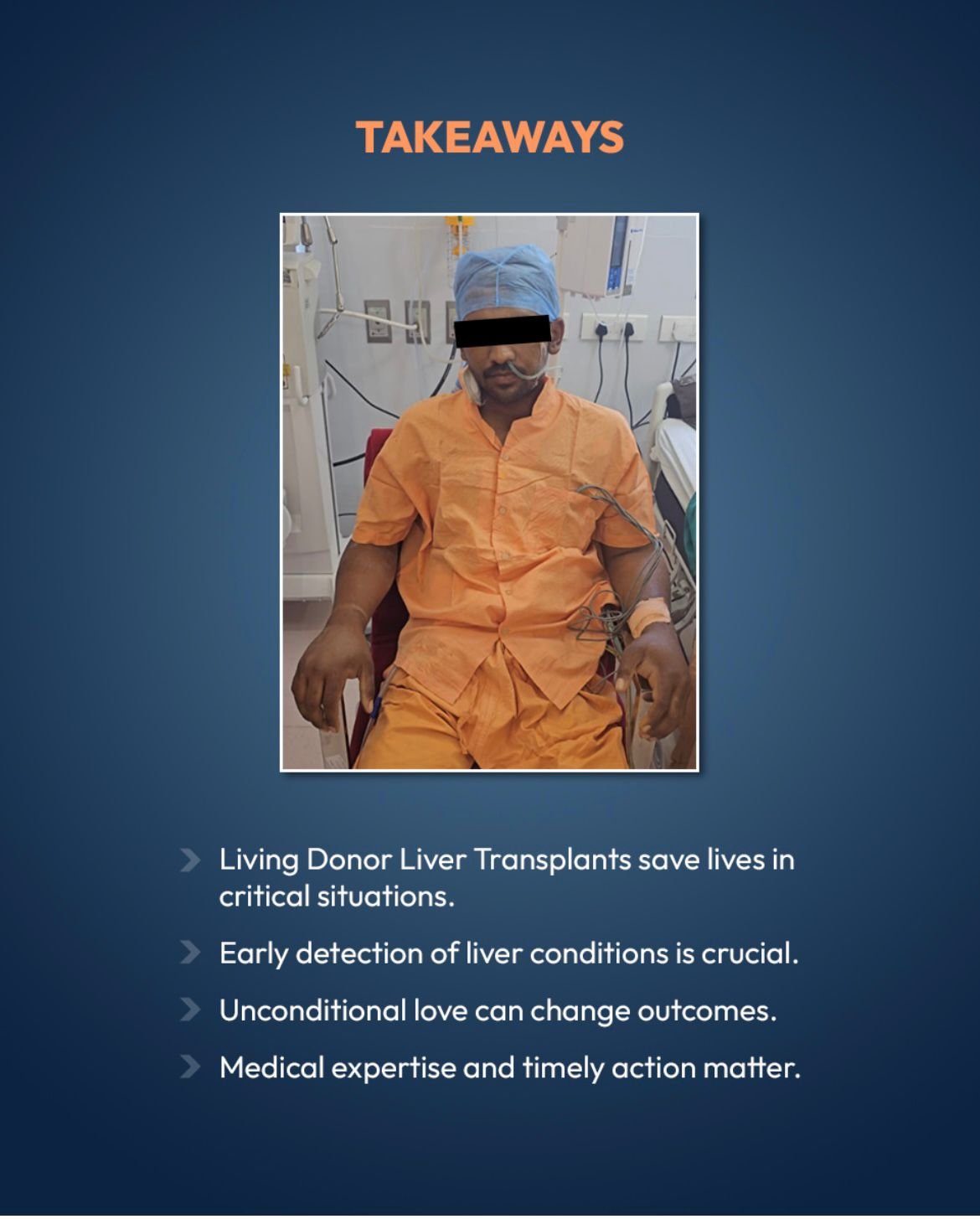
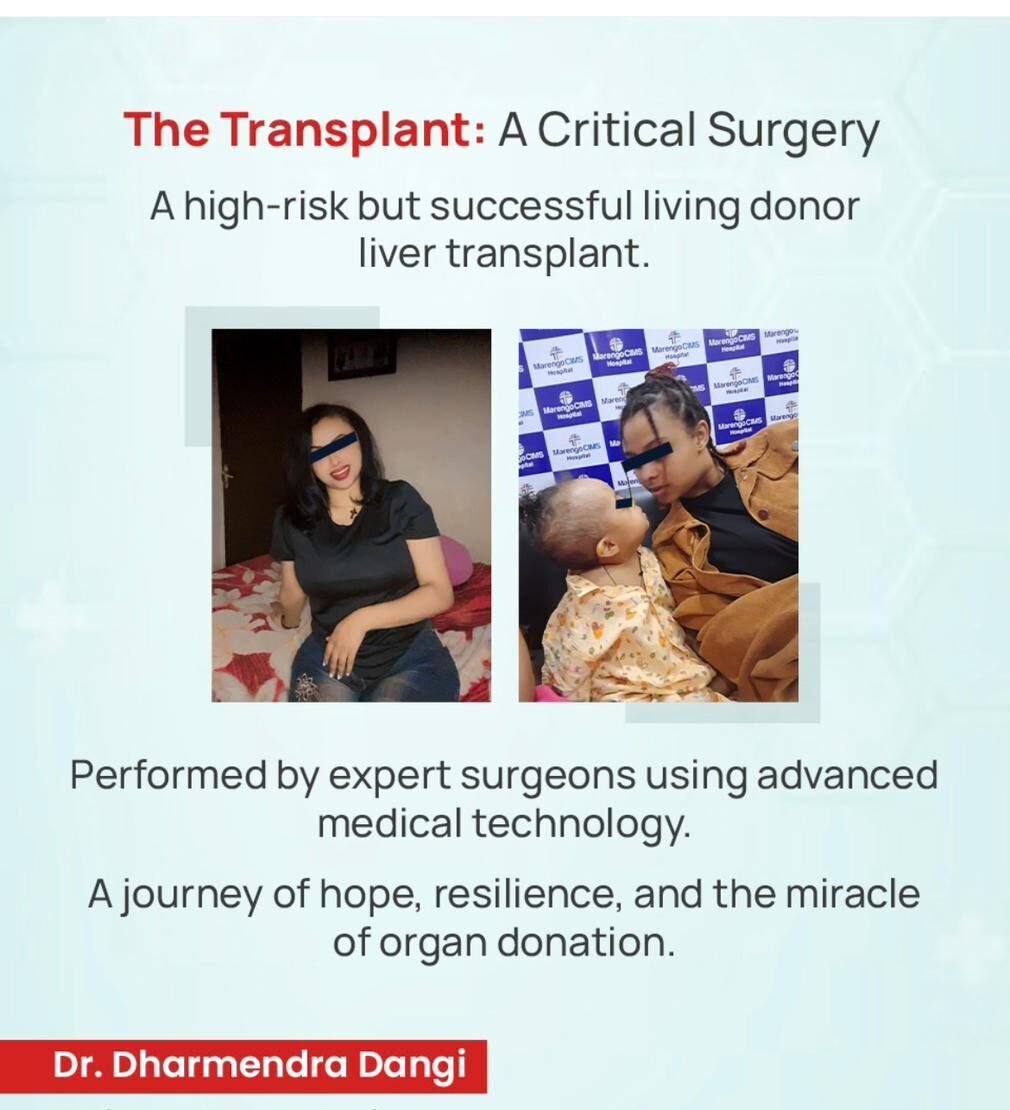
Real People, Real Stories

FAQ

Common Questions We Hear From Patients

Your concerns are valid. Here are expert answers to help you make confident decisions about your liver health.

Like all major surgeries, a liver transplant carries some risks, but with experienced surgeons and advanced techniques, the safety has improved greatly. Our team carefully evaluates both donor and recipient to minimize risks and improve outcomes.

Most patients spend 2–3 weeks in the hospital after surgery. Full recovery usually takes around 3–6 months, depending on overall health and response to treatment. With proper care, patients can return to normal activities.


Yes, liver transplants can be done safely in children with liver failure or congenital liver diseases. In many cases, a parent donates a part of their liver to their child, offering them a healthy future.


Success rates are high, especially with early treatment and proper follow-up. Many patients go on to live long, healthy, and active lives after their transplant.

Eligibility depends on the severity of liver damage, overall health, and ability to follow post-surgery care. Your doctor will perform detailed evaluations and guide you through the process.

With proper care, a transplanted liver can last many years. Some patients live more than 20–30 years with their transplanted liver, especially when they follow medical advice closely.

It is important to avoid alcohol, smoking, and unnecessary medicines that may harm the liver. Patients should also follow a balanced diet, exercise moderately, and protect themselves from infections.


Take the First step to a Healthier Liver Stronger Liver

Begin your journey to recovery

A liver transplant can be life-changing for those living with end-stage liver disease or liver failure. It offers hope, strength, and a new beginning. With advanced technology, safe surgical methods, and the right medical support, many patients return to normal, healthy lives after transplant

Talk to Ahmedabad’s Trusted Liver Experts

At our center in Ahmedabad, Dr. Vikas Patel and Dr. Dharmendra Dangi bring their combined expertise and proven track record in liver transplantation. Having successfully treated high-risk, complex, and pediatric cases, they ensure every patient receives care marked by safety, compassion, and precision.

Scroll to Top